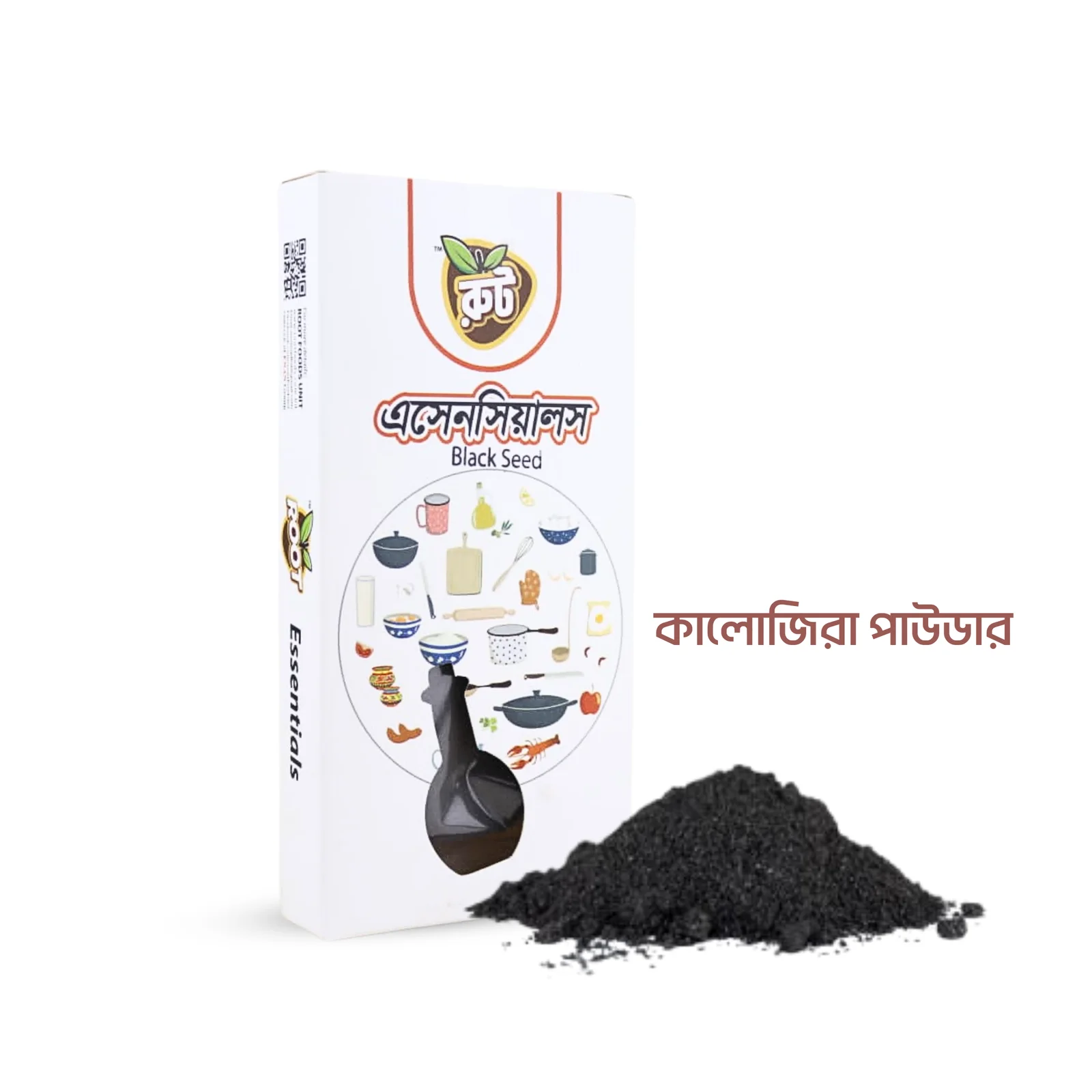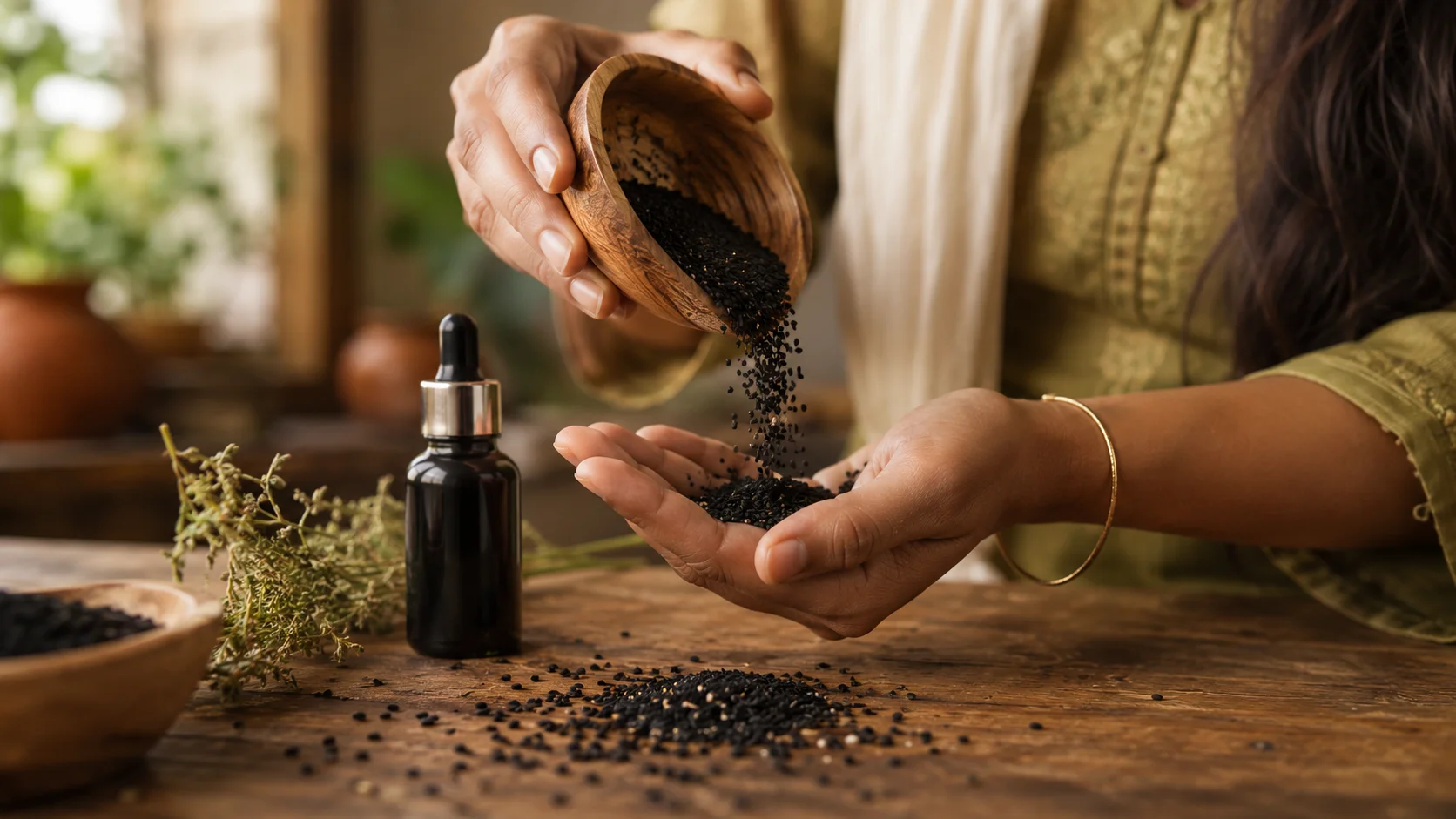
Black seed — also called black cumin, kalonji, or by its scientific name Nigella sativa — has been used in traditional medicine across the Middle East, South Asia, and North Africa for thousands of years. It's even referenced in centuries-old texts as a remedy for "everything except death." That's obviously not a scientific claim, but it's part of why black seed has such a strong reputation today, especially in herbal and wellness circles across Bangladesh and South Asia.
So what does modern research actually say? Quite a bit, as it turns out — black seed is one of the more heavily studied traditional herbs, with hundreds of clinical and laboratory studies behind it. But "studied" doesn't always mean "proven," and it's worth being clear about where the evidence is strong versus where it's still early.
Short answer: black seed shows real, research-backed potential for blood pressure, cholesterol, blood sugar, inflammation, and respiratory conditions like asthma, largely due to a compound called thymoquinone. It also shows promise for skin conditions and immune support. But it's not a cure for any disease, isn't a replacement for prescribed medication, and can interact with certain drugs — so it needs to be used thoughtfully, not as a miracle cure.
Here's a closer, evidence-based look at what black seed is actually good for.
Quick Answer
Black seed (Nigella sativa) is best supported by research for lowering blood pressure, improving cholesterol and blood sugar markers, reducing inflammation and oxidative stress, and easing asthma and allergy symptoms. It also shows benefit for skin conditions like acne and psoriasis when used topically. Most of this comes from a bioactive compound called thymoquinone. It is not a proven cure for any disease and should not replace prescribed medication without medical guidance.
What Is Black Seed, Exactly?
Black seed comes from the Nigella sativa plant, a flowering herb native to the eastern Mediterranean, North Africa, southwest Asia, and the Indian subcontinent. The small, matte-black seeds are harvested from the plant's seed pods and used whole, ground into powder, or cold-pressed into oil.
Its main active compound is thymoquinone, a plant chemical researchers believe is responsible for most of black seed's antioxidant and anti-inflammatory effects. The seeds also contain fatty acids, fiber, and a range of other bioactive compounds that contribute to its nutritional and medicinal profile.
1. Heart Health — Blood Pressure and Cholesterol
This is one of the better-studied areas for black seed. A systematic review and meta-analysis of randomized controlled trials found that Nigella sativa supplementation had a measurable effect on lowering blood pressure in hypertensive patients. Separate clinical research, including a randomized, double-blind, placebo-controlled trial, has specifically examined black seed oil's role in reducing cardiovascular risk factors in people with high blood pressure.
Alongside blood pressure, black seed has also been studied for its effects on cholesterol, with several trials reporting improvements in lipid profiles when it's taken consistently over weeks.
Important: if you're on blood pressure medication, talk to your doctor before adding black seed regularly — combining the two could lower blood pressure more than intended.
2. Blood Sugar and Metabolic Health
Animal and early clinical research suggests black seed and thymoquinone may help support healthy blood sugar regulation, with some studies pointing to protective effects on pancreatic cells involved in insulin production. This has made it a subject of particular interest for metabolic health research.
That said, this shouldn't be read as evidence that black seed treats or reverses diabetes. The research is real but still developing, and it should be considered a possible complementary approach at most — never a substitute for prescribed diabetes management.
3. Inflammation and Oxidative Stress
This is where black seed has some of its most consistent evidence. An updated systematic review and meta-analysis of randomized controlled trials found that Nigella sativa supplementation had beneficial effects on several key inflammation and oxidative stress markers, including CRP and TNF-α (inflammation markers) and antioxidant markers like SOD and total antioxidant capacity. The review's conclusion was that black seed can reasonably be recommended as an adjuvant — meaning a supportive addition, not a primary treatment — antioxidant and anti-inflammatory agent.
In plain terms: black seed appears to genuinely help the body manage inflammation and oxidative stress at a measurable level, which is a big part of why it shows up across so many different areas of research, from heart health to skin conditions.
4. Respiratory Health and Asthma
Black seed has a long history of traditional use for respiratory conditions, and modern research is starting to explain why. A review in the Saudi Pharmaceutical Journal examining black seed's role in bronchial asthma found preclinical studies describing effects including bronchodilation, anti-histaminic activity, anti-inflammatory effects, and immune-modulating properties in models of asthma.
A broader review of Nigella sativa's effects on respiratory, allergic, and immunologic disorders similarly found supportive evidence from both experimental and clinical studies. This lines up with black seed's traditional use for coughs, congestion, and allergy symptoms across South Asian and Middle Eastern households.
Worth noting: this is supportive evidence, not a replacement for asthma medication or inhalers. Anyone with diagnosed asthma should continue prescribed treatment and only add black seed with a doctor's input.
5. Skin Conditions
Applied topically, black seed oil has shown some genuinely encouraging results for skin health. A 2020 study found that a topical gel made with black seed extract, used twice daily for 60 days, reduced acne severity by 78% compared to a control group, along with a significant reduction in the number of acne lesions.
For psoriasis, animal studies suggest black seed oil may reduce skin inflammation and related symptoms, and a review found that combining oral and topical black seed extract reduced psoriasis symptoms and improved skin lesions in study participants.
Thymoquinone, applied directly to skin, may also stimulate tissue growth and support wound healing, based on early research into burns and skin injuries.
6. Immune Support
Black seed's anti-inflammatory and antioxidant properties are believed to contribute to general immune support, and it has traditionally been used to help the body respond to seasonal illness and allergic reactions. Research into its immune-modulating effects is ongoing, particularly around how thymoquinone interacts with the body's inflammatory response.
What Black Seed Is Not Proven to Do
Because black seed carries such a long traditional reputation, it's often marketed with claims well beyond what current research supports. Based on the actual evidence, black seed should not be presented as something that can:
- Cure or treat cancer
- Replace prescribed medication for blood pressure, diabetes, or asthma
- "Detoxify" the body
- Guarantee weight loss on its own
- Be considered risk-free for everyone, including pregnant women and people on certain medications
Much of the existing research is still early-stage, based on smaller trials or animal studies, or flagged by researchers themselves as needing further confirmation in larger human trials.
How Much Black Seed Should You Take?
Based on available research, black seed is typically used at a dosage of about 1 to 3 grams daily, taken as ground seed powder or oil. There's no single officially established dose, so it's best to start low and speak with a doctor, especially if you're pregnant, breastfeeding, on blood thinners, blood pressure medication, or diabetes medication, since black seed may interact with these.
How to Use Black Seed
Whole or ground seeds — Can be added to bread, curries, or sprinkled over food, similar to how kalonji is traditionally used in South Asian cooking.
Black seed oil — Taken orally in small amounts, often mixed with honey or warm water, or used topically for skin concerns.
Powder in warm water or tea — A common way to take a measured daily amount.
How to Choose Good-Quality Black Seed
- Choose cold-pressed black seed oil where possible — heat processing can degrade thymoquinone content
- Check the ingredient list for purity — no fillers or diluted oils
- Buy from a trusted, transparent source with clear sourcing and batch information
- Store oil in a dark glass bottle, away from heat and light, to protect its active compounds
Frequently Asked Questions
What is black seed good for?
Research supports black seed for blood pressure, cholesterol, blood sugar regulation, inflammation, asthma and allergy symptoms, and certain skin conditions like acne and psoriasis, largely due to its thymoquinone content.
Is black seed oil good for hair growth?
Some preliminary research and traditional use suggest black seed oil's anti-inflammatory and antimicrobial properties may support scalp health, but strong clinical evidence specifically for hair growth is still limited.
Can black seed lower blood pressure?
Yes, multiple clinical trials and meta-analyses have found black seed supplementation can meaningfully lower blood pressure in people with hypertension.
Is black seed safe to take every day?
In studied dosages (around 1 to 3 grams daily), black seed appears generally well-tolerated, but anyone on medication or with an existing health condition should check with a doctor first.
Does black seed help with weight loss?
There's some early research on black seed's role in metabolic health, but it isn't proven to cause weight loss on its own and shouldn't be relied on as a weight-loss method.
Can black seed cure diabetes?
No. Some studies suggest supportive effects on blood sugar regulation, but black seed is not a treatment or cure for diabetes and should never replace prescribed medication.
Is black seed good for asthma?
Research shows promising anti-inflammatory and bronchodilator effects, but black seed should be used alongside, not instead of, prescribed asthma treatment.
Can pregnant women take black seed?
This should be discussed with a doctor first, as safety data for pregnancy is limited and some traditional uses of black seed involve effects on hormones and the reproductive system.
The Bottom Line
Black seed has a genuinely strong body of research behind it — more than most traditional herbs — particularly for blood pressure, inflammation, cholesterol, respiratory health, and certain skin conditions. Thymoquinone, its key active compound, appears to be doing real work across several of these areas.
What it isn't is a cure-all, despite the historical reputation. Use it as a supportive addition to a healthy diet and, where relevant, alongside proper medical care — not as a replacement for it.
References
- Nutrients (2021) / PMC — Black Cumin (Nigella sativa L.): A Comprehensive Review on Phytochemistry, Health Benefits, Molecular Pharmacology, and Safety
- Frontiers in Nutrition (2023) — Nigella sativa and Health Outcomes: An Overview of Systematic Reviews and Meta-Analyses
- PubMed — The Effect of Nigella sativa on Biomarkers of Inflammation and Oxidative Stress: An Updated Systematic Review and Meta-Analysis of RCTs
- Journal of Hypertension — Systematic Review and Meta-Analysis of RCTs Investigating the Effects of Nigella Sativa Supplementation on Blood Pressure
- Saudi Pharmaceutical Journal (2017) — Medicinal Benefits of Nigella sativa in Bronchial Asthma: A Literature Review
- Examine.com — Black Seed: Benefits, Dosage, and Side Effects
This article is intended for general educational purposes and is not a substitute for personalised medical advice. Speak with a doctor before starting black seed if you are pregnant, breastfeeding, or taking medication for blood pressure, blood sugar, or blood clotting.